
Product Innovation – Research Focus
Product Innovation – Research Focus
Procter & Gamble – Northwestern University Sponsor (under NDA)
Procter & Gamble – Northwestern University Sponsor (under NDA)
With evolving user expectations and limited differentiated solutions on the market, this project aimed to use a research-driven approach to explore innovation opportunities in female intimate shaving and inform future product strategy. Insights were collected through 24 rounds of user research and 12+ prototypes, culminating in a final recommendation.
*Note: Images are blurred on the public portfolio page for confidentiality.
3 months, 2025
Timeframe
Timeframe
Final prototype sent to Gillette for further research
Impact
Impact
Designer + Researcher
Role
Role
Ayden, Abi, Roaa, Simon, Kandice
The Team
The Team
August - September 2024
Timeframe
Figma
Tools
Product Design Lead
Role
3 product designers, 1 pm ,1 engineer
The Team
01. Context
01. Context
How we worked?
How we worked?
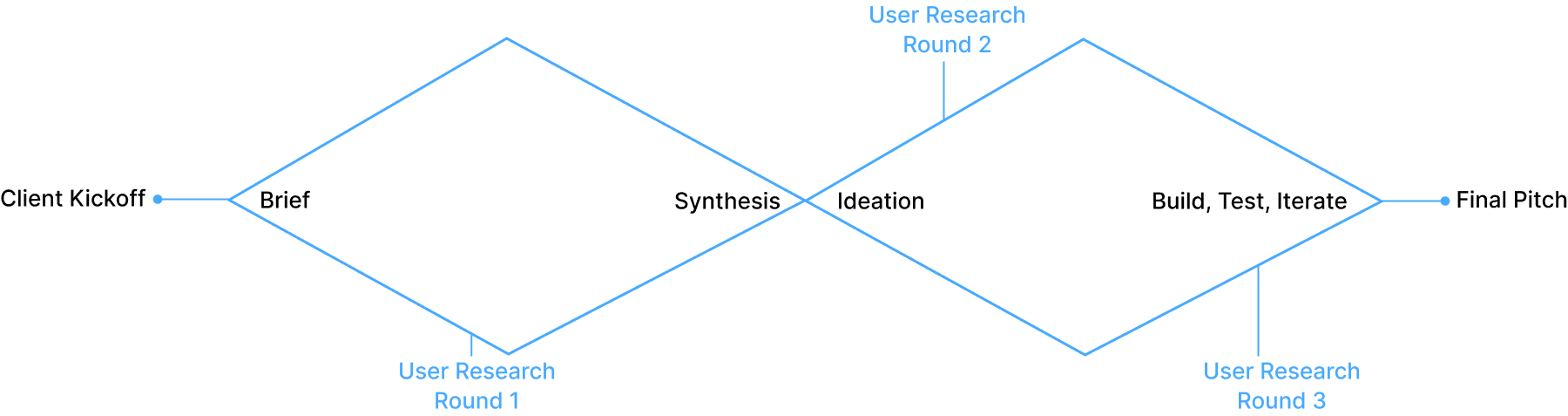
Over the course of the project, we ran three rounds of user research. The first was focused on understanding target user needs, while the second and third centered on feedback for our prototypes
02. Research
02. Research
User Research round 1
User Research round 1
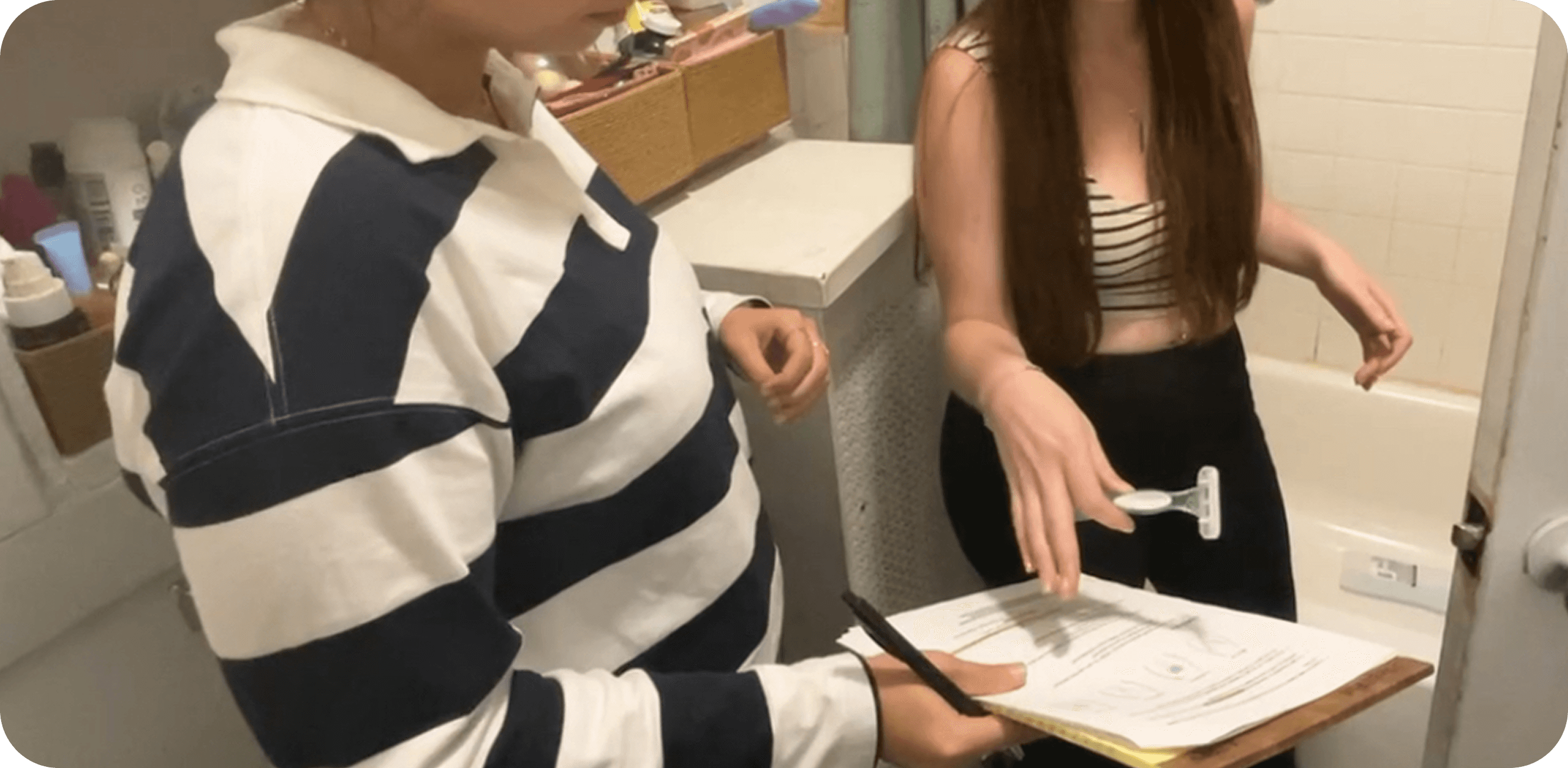
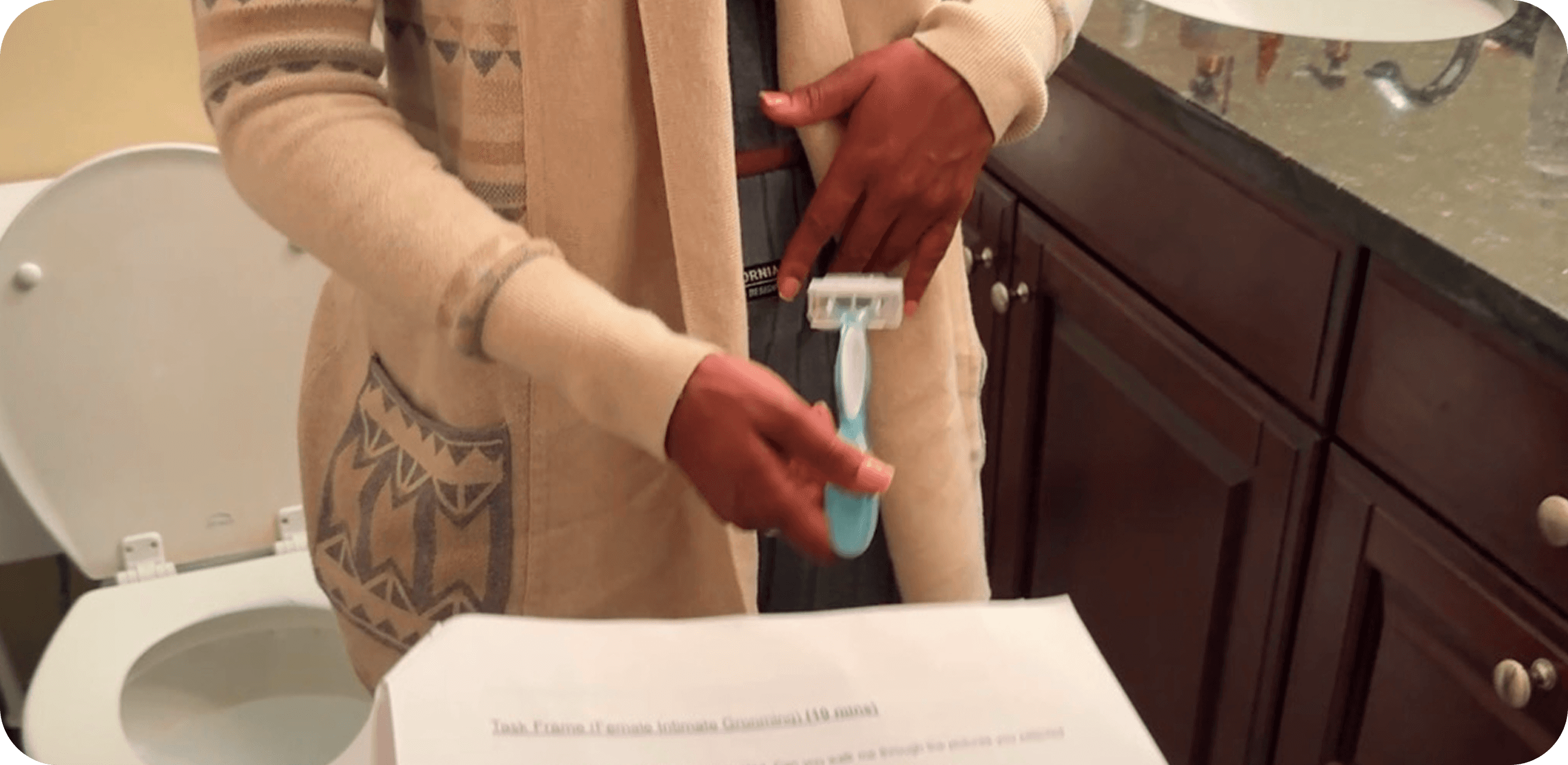
The first round focused on observing real behavior through in-home visits, helping us understand users’ purchasing habits, daily routines, and shaving-related interactions.
Understanding Habits
Sample questions:
Previous purchasing habits?
Past product interactions?
What satisfied you? What didn’t?
Task in Action
Sample questions:
Show me your routine.
Why did you do it that way?
How did it feel?
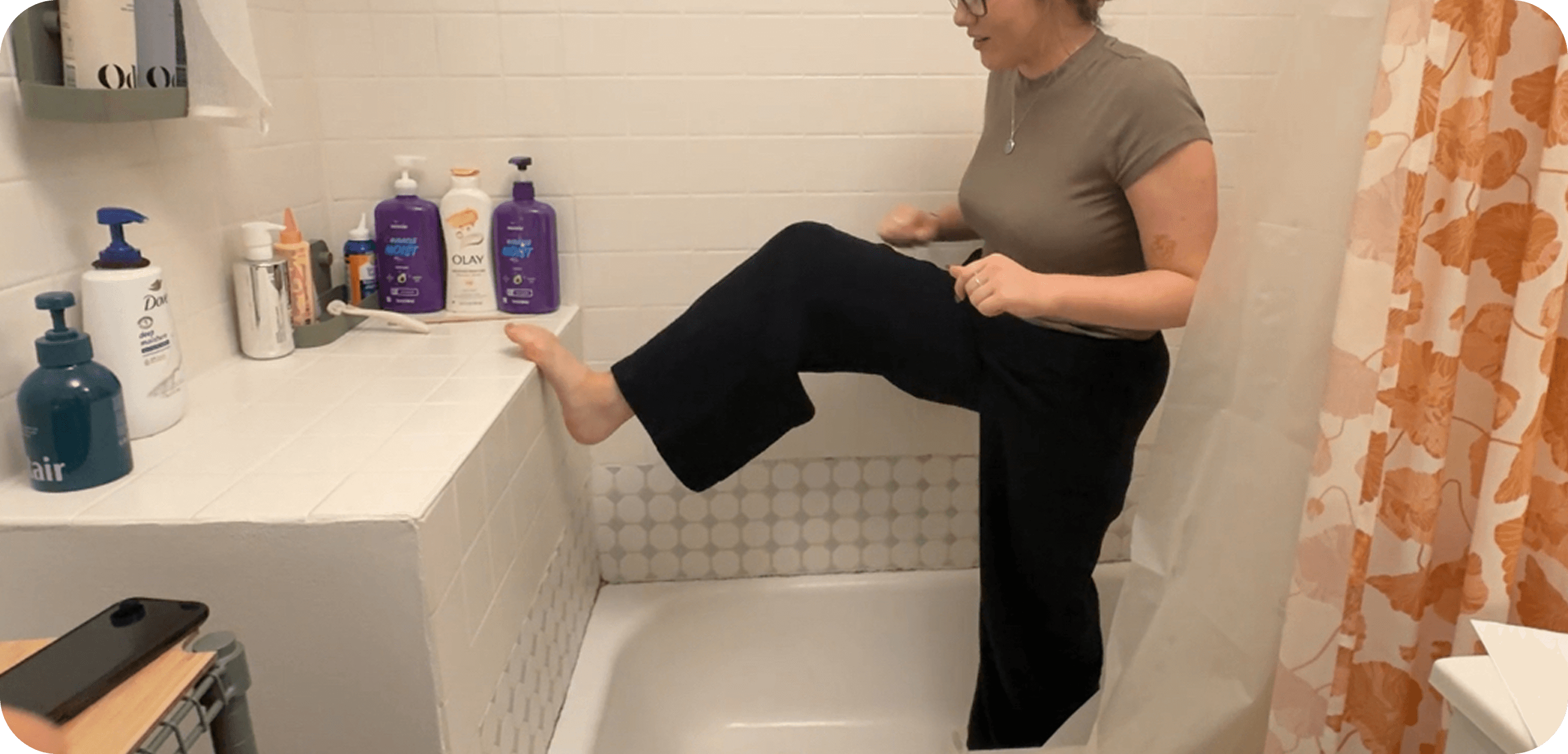
Idea Brainstorm
Sample questions:
What would you change?
What would an ideal situation look like for you?
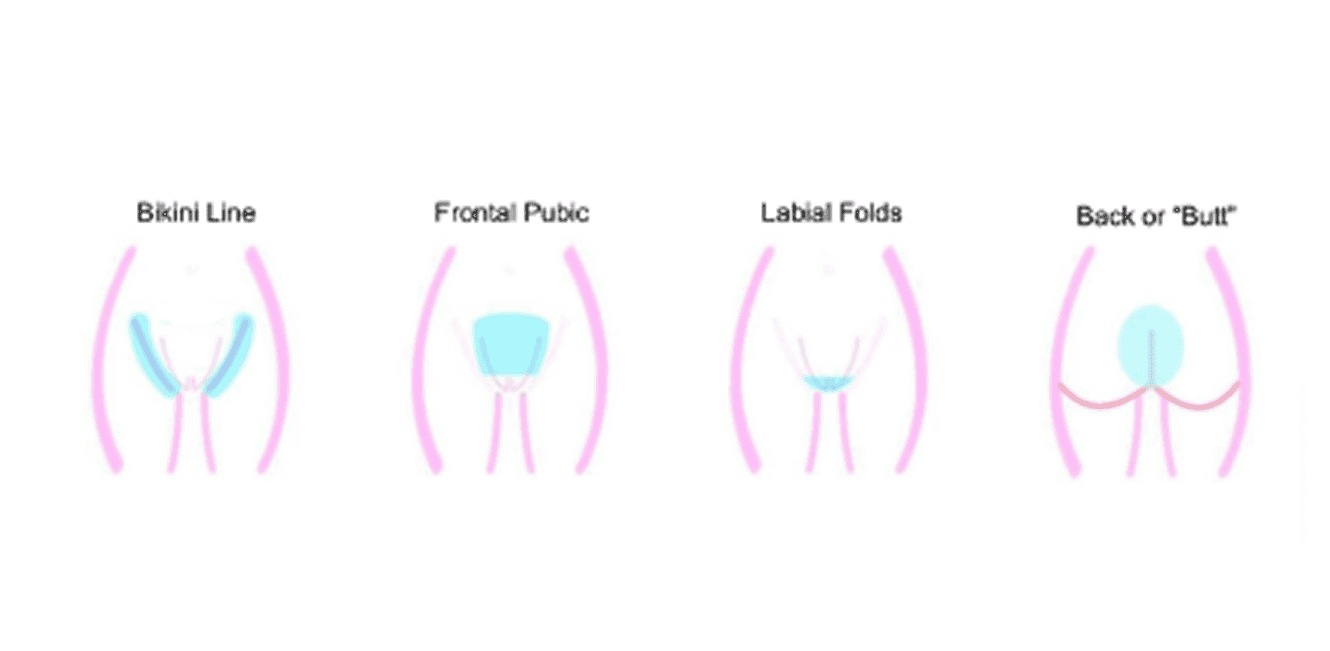
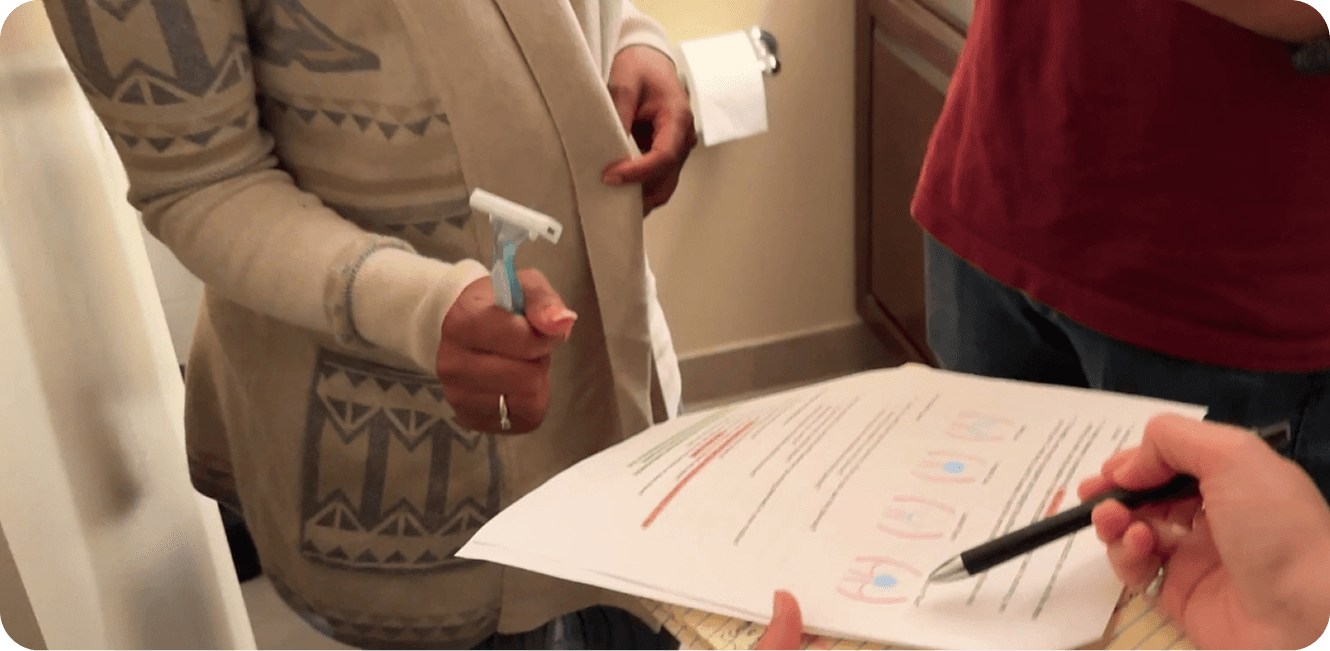
Researching Sensitive Topics
Researching Sensitive Topics
We recognized this was a sensitive topic, so we prioritized participant comfort. To support open and respectful conversations, we paired terminology with simple illustrations, allowing participants to point to what they meant when they felt uncomfortable or unsure of the language.
Evaluation & Testing
Evaluation & Testing
Building on our research findings, we explored concepts through synthesis, hands-on testing, and competitive analysis to identify opportunities and iterate toward more effective solutions.
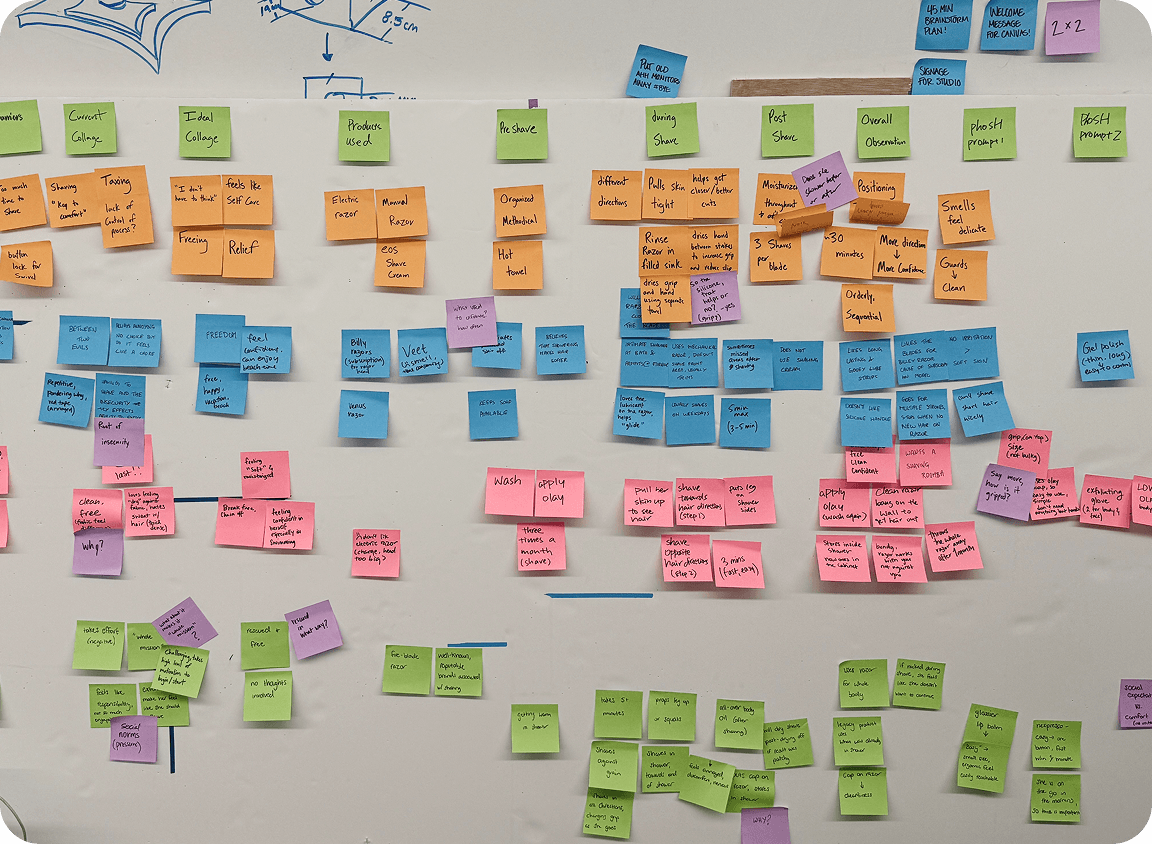
Data Synthesis
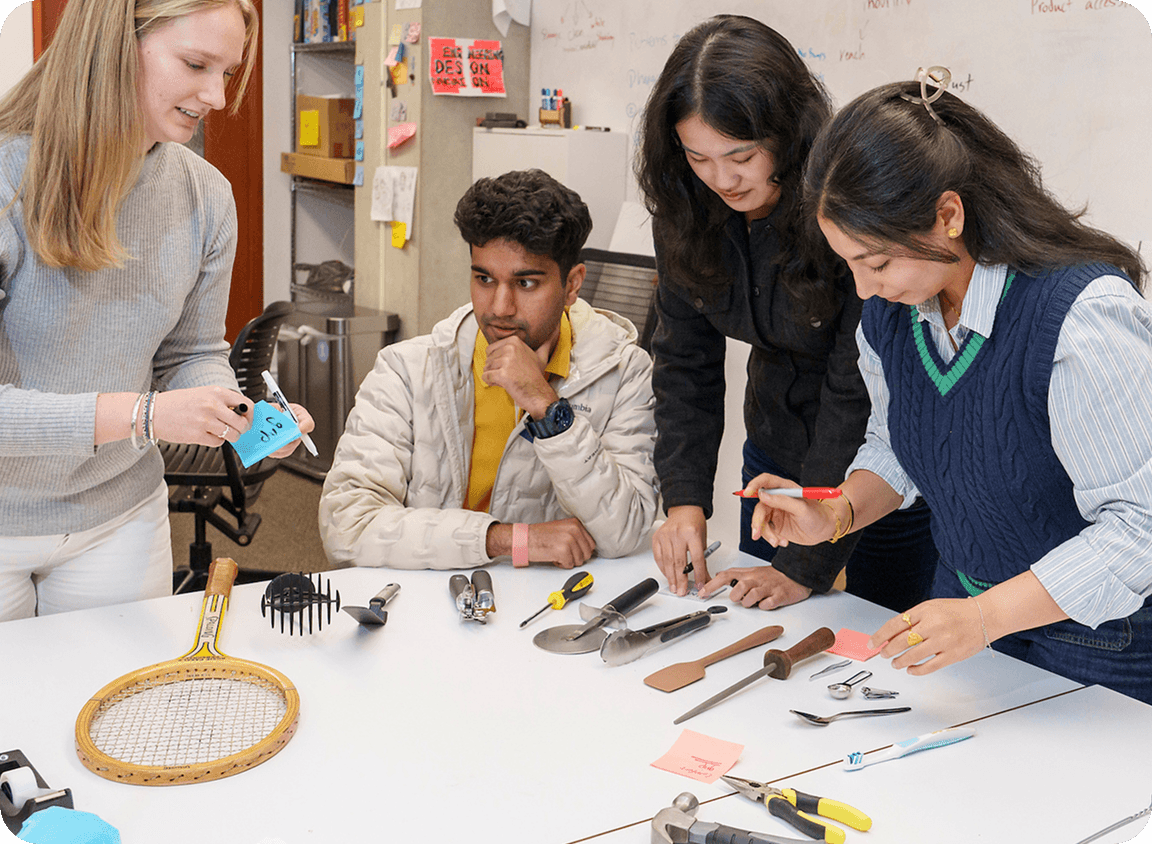
Ergonomic Testing
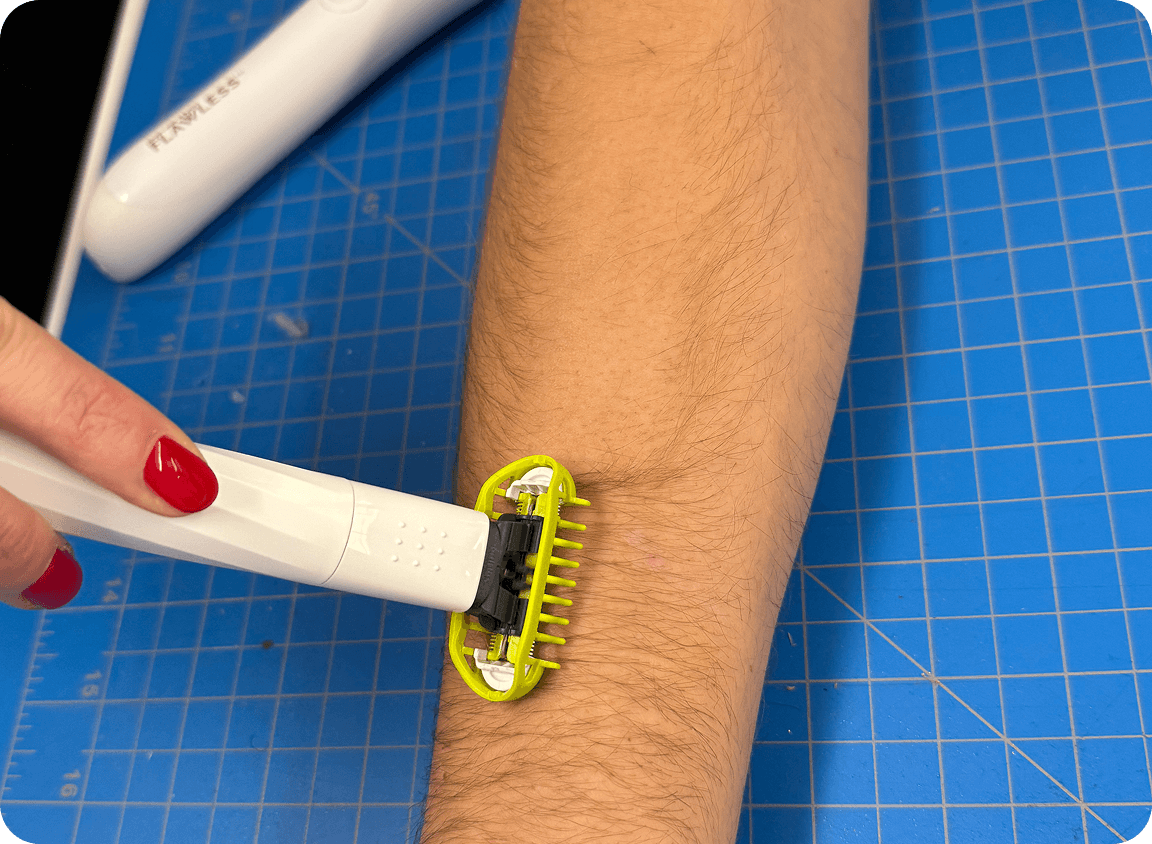
Competitor Research
Those observations helped clarify what we were truly designing for, and we synthesized our focus on
How might we create a safe, hygienic, confidence-boosting intimate-shaving experience that works for all body types, textures, and routines?
03. Scope & Constraints
03. Scope & Constraints
To move this goal forward, we examined different stakeholder perspectives to shape the direction of the solution. Each of these factors plays a critical role in shaping the project's overall objectives and success.
Use manual razors to achieve close shave and “clean” feeling
But frequent cuts and irritation
User Behavior ( Observed )
Extremely close shaving can damage skin health
Medical Evidence
Defined skin health and safety as the primary priority
Reframed “clean shave” from closeness to healthier outcomes
Balancing stakeholder needs
Project Scope

P&G Context (Constraints & Opportunity)
04. Iteration
04. Iteration
User Research Round 2 & 3
User Research Round 2 & 3
After some brainstorms, we brought users back for further testing. Across rounds two and three, we conducted six activities in total, and here are the three examples.
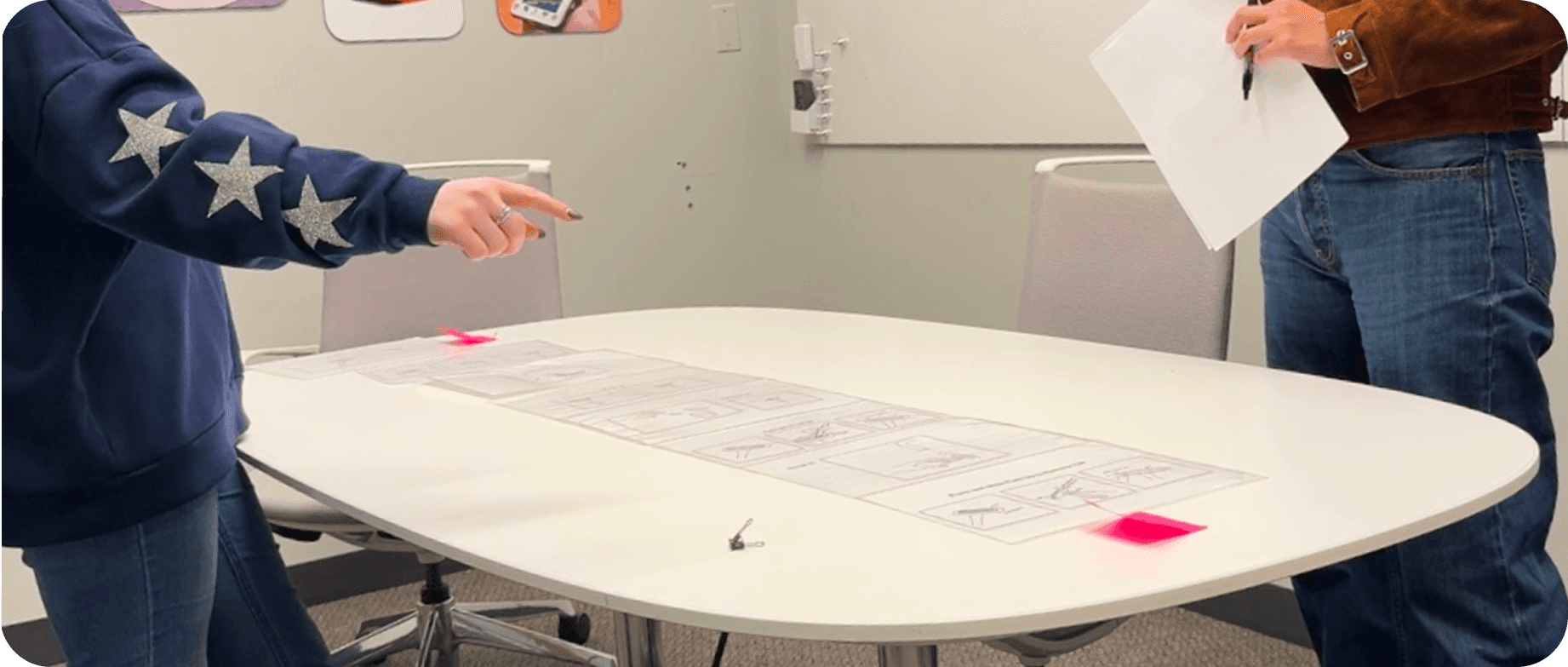
Sorting Hygiene Storyboard
Storyboards clarified how users interpreted key concepts in context, directly informing our design approach.
Sample questions:
What’s good hygiene?
What’s bad hygiene?
How would you sort these?
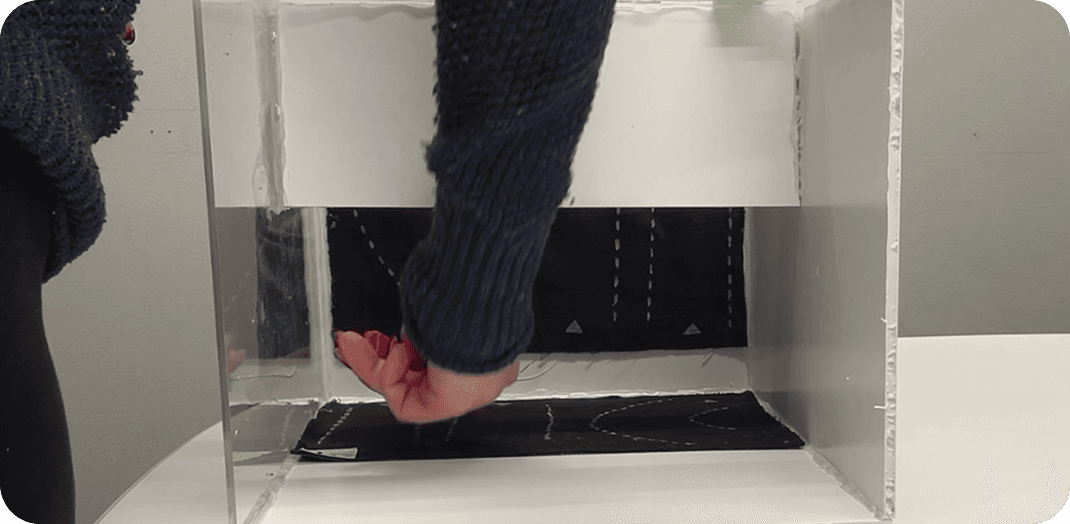
Ergonomic Testing
We simulated shaving constraints with a boxed setup and tested handle ergonomics through guided drawing tasks.
Sample questions:
How natural does this grip feel?
Did you feel in control while adjusting your grip?
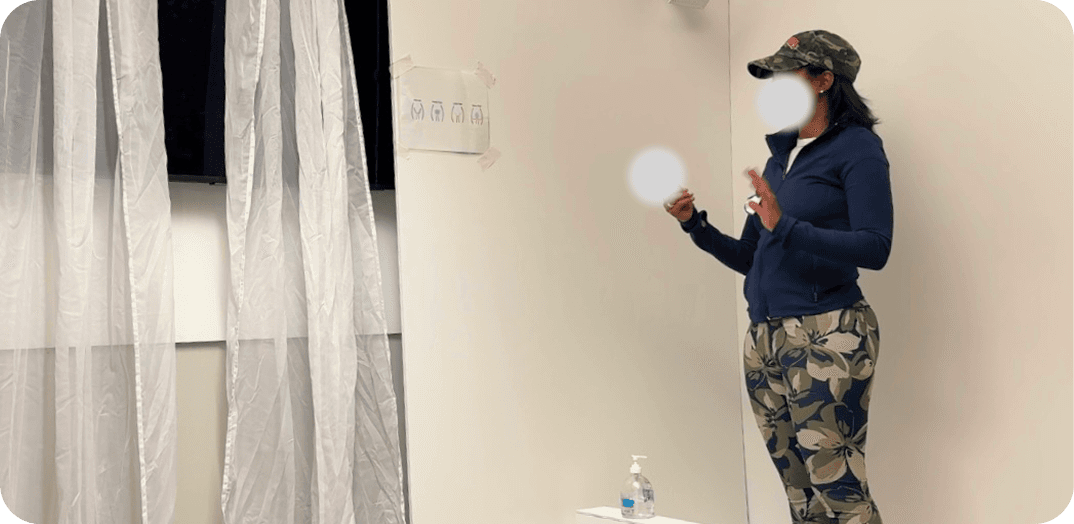
Prototype Testing
We simulated a shower setup so users could act out real product use in context.
Sample questions:
Could you show me how you would use this product? What do you like or dislike?
Prototyping
Prototyping
After synthesizing research feedback, we moved into the final sprint. Despite my background in digital product design, I quickly ramped up and led the ideation, sketching, and development of the full set of prototypes, including 3D physical models.
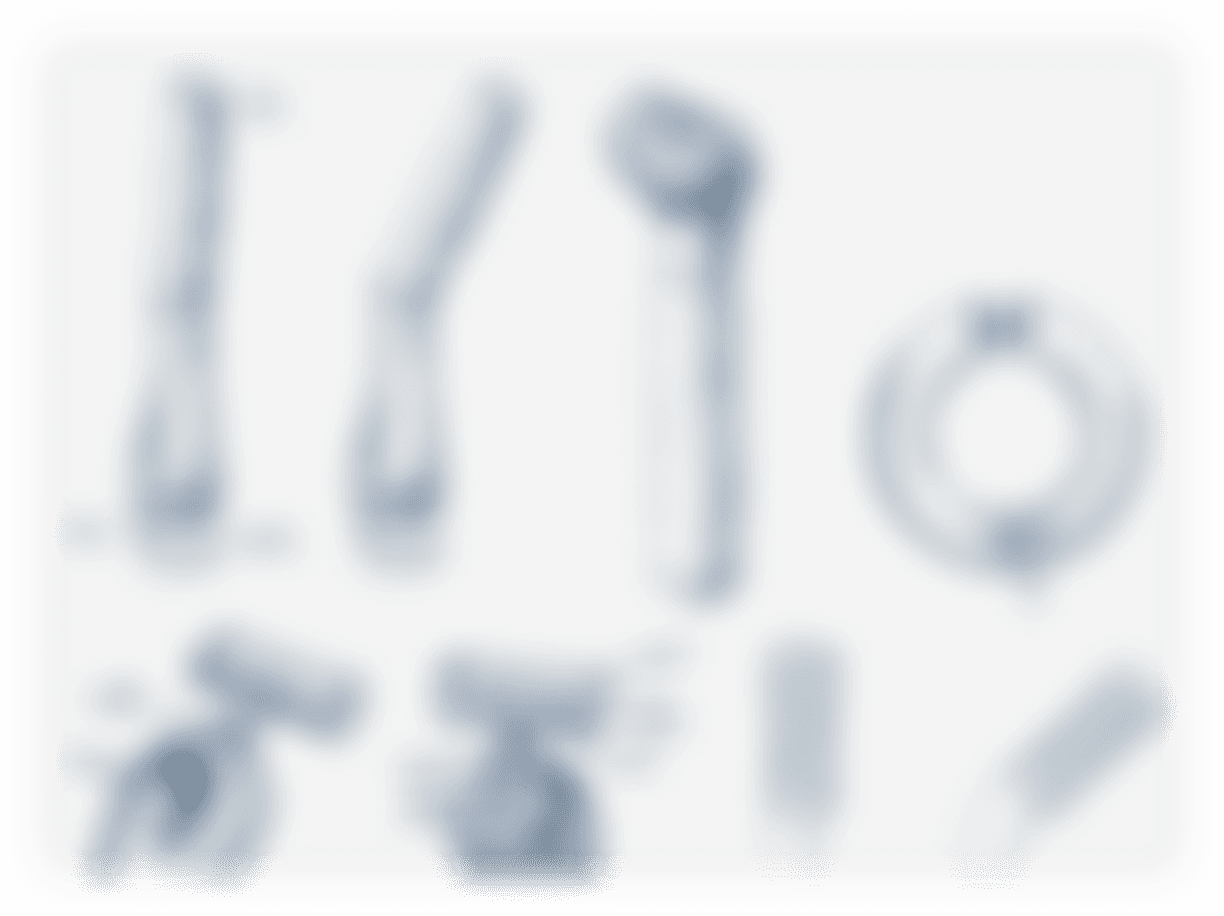
Sketch

Model

05.Takeaways
Let Users Lead the Conversation
Ask open-ended questions and let user thinking guide the conversation rather than a fixed script
Observe Behavior
Observing real behaviors rather than listening to stated preferences leads to more accurate design decisions
Critical Thinking Drives Clarity
A critical synthesis of research patterns turned fragmented feedback into meaningful design direction
Cross-Functional Collaboration
Diverse perspectives uncover blind spots and drive more innovative solutions
Let Users Lead the Conversation
Ask open-ended questions and let user thinking guide the conversation rather than a fixed script
Observe Behavior
Observing real behaviors rather than listening to stated preferences leads to more accurate design decisions
Critical Thinking Drives Clarity
A critical synthesis of research patterns turned fragmented feedback into meaningful design direction
Cross-Functional Collaboration
Diverse perspectives uncover blind spots and drive more innovative solutions
06. Design
Due to NDA restrictions, the final designs are blurred, but the project has moved into the next stage of development with P&G.
Due to NDA restrictions, the final designs are blurred, but the project has moved into the next stage of development with P&G.
Product Innovation – Research Focus
Procter & Gamble – Northwestern University Sponsor (under NDA)
With evolving user expectations and limited differentiated solutions on the market, this project aimed to use a research-driven approach to explore innovation opportunities in female intimate shaving and inform future product strategy. Insights were collected through 24 rounds of user research and 12+ prototypes, culminating in a final recommendation.
*Note: Images are blurred on the public portfolio page for confidentiality.
3 months, Sep - Dec 2025
Timeframe
Final prototype sent to Gillette for further research
Impact
Designer + Researcher
Role
Ayden, Abi, Roaa, Simon, Kandice
The Team
01. Context
How we worked?
Over the course of the project, we ran three rounds of user research. The first was focused on understanding target user needs, while the second and third centered on feedback for our prototypes
02. Research
User Research round 1
The first round focused on observing real behavior through in-home visits, helping us understand users’ purchasing habits, daily routines, and shaving-related interactions.
Understanding Habits
Sample questions:
Previous purchasing habits?
Past product interactions?
What satisfied you? What didn’t?
Task in Action
Sample questions:
Show me your routine.
Why did you do it that way?
How did it feel?
Idea Brainstorm
Sample questions:
What would you change?
What would an ideal situation look like for you?
Researching Sensitive Topics
We recognized this was a sensitive topic, so we prioritized participant comfort. To support open and respectful conversations, we paired terminology with simple illustrations, allowing participants to point to what they meant when they felt uncomfortable or unsure of the language.
Evaluation & Testing
Building on our research findings, we explored concepts through synthesis, hands-on testing, and competitive analysis to identify opportunities and iterate toward more effective solutions.
Data Synthesis
Ergonomic Testing
Competitor Research
Those observations helped clarify what we were truly designing for, and we synthesized our focus on
How might we create a safe, hygienic, confidence-boosting intimate-shaving experience that works for all body types, textures, and routines?
03. Scope & Constraints
To move this goal forward, we examined different stakeholder perspectives to shape the direction of the solution. Each of these factors plays a critical role in shaping the project's overall objectives and success.
Use manual razors to achieve close shave and “clean” feeling
But frequent cuts and irritation
User Behavior ( Observed )
Extremely close shaving can damage skin health
Medical Evidence
Defined skin health and safety as the primary priority
Reframed “clean shave” from closeness to healthier outcomes
Balancing stakeholder needs
Chose the Gillette product line as the foundation to explore an innovative electric shaving approach.
Project Scope
P&G Context (Constraints & Opportunity)
04. Iteration
User Research Round 2 & 3
After some brainstorms, we brought users back for further testing. Across rounds two and three, we conducted six activities in total, and here are the three examples.
Sorting Storyboard
Storyboards clarified how users interpreted key concepts in context, directly informing our design approach.
Sample questions:
What’s good hygiene?
What’s bad hygiene?
How would you sort these?
Ergonomic Testing
We simulated shaving constraints with a boxed setup and tested handle ergonomics through guided drawing tasks.
Sample questions:
How natural does this grip feel?
Did you feel in control while adjusting your grip?
Prototype Testing
We simulated a shower setup so users could act out real product use in context.
Sample questions:
Could you show me how you would use this product? What do you like or dislike?
Prototyping
After synthesizing research feedback, we moved into the final sprint. Despite my background in digital product design, I quickly ramped up and led the ideation, sketching, and development of the full set of prototypes, including 3D physical models.
Sketch
Model
05.Takeaways
Let Users Lead the Conversation
Ask open-ended questions and let user thinking guide the conversation rather than a fixed script
Observe Behavior
Observing real behaviors rather than listening to stated preferences leads to more accurate design decisions
Critical Thinking Drives Clarity
A critical synthesis of research patterns turned fragmented feedback into meaningful design direction
Cross-Functional Collaboration
Diverse perspectives uncover blind spots and drive more innovative solutions
06. Design
Due to NDA restrictions, the final designs are blurred, but the project has moved into the next stage of development with P&G.

